Play School Activities That Support Learning, Creativity, and Growth

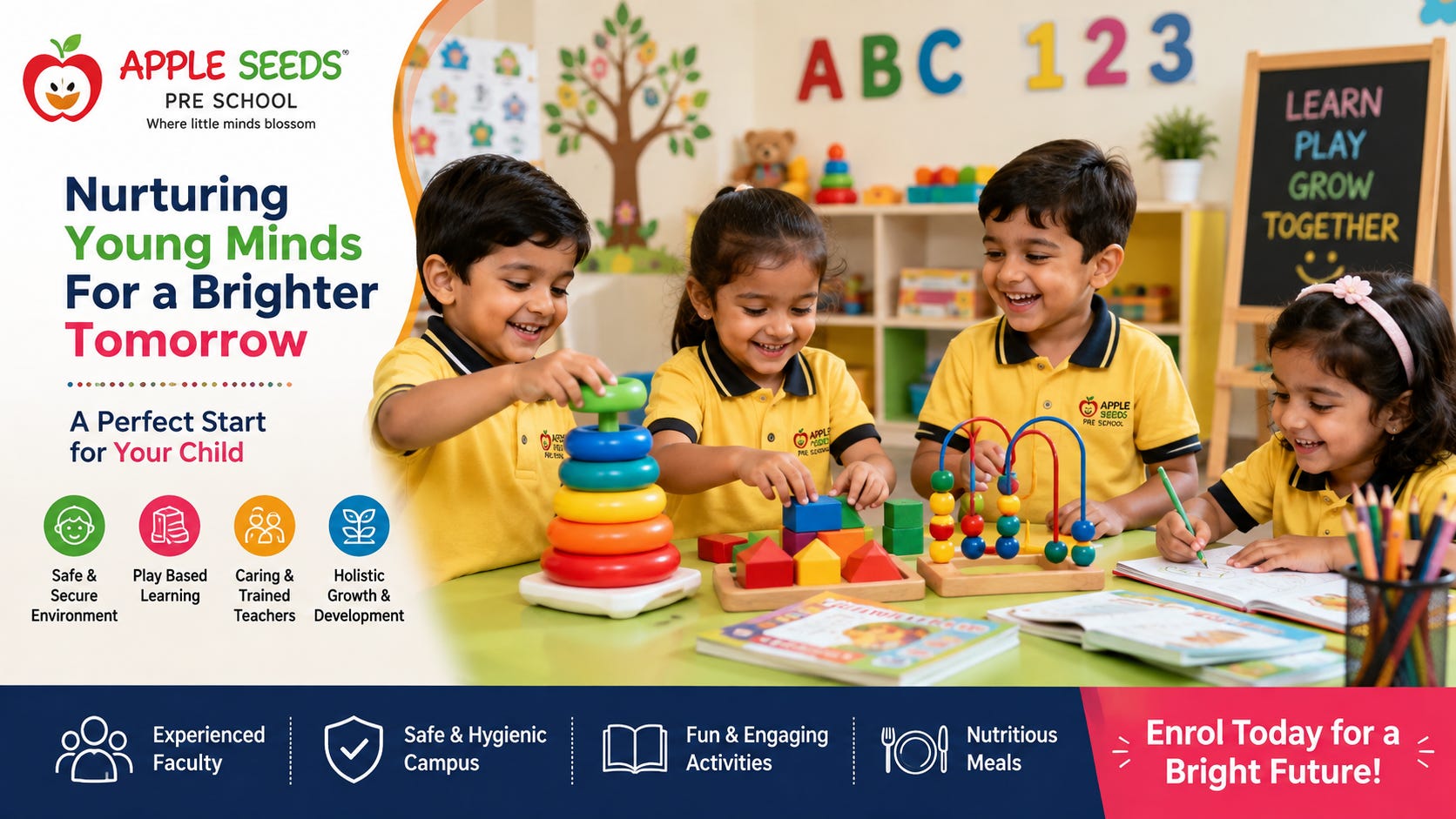
The early years of childhood are filled with curiosity, imagination, and rapid development. During this stage, children learn best through engaging experiences that combine fun with education. A quality play school creates opportunities for children to explore, communicate, and build essential life skills through carefully planned activities.
Rather than focusing only on academics, preschool programs encourage overall development by balancing learning, creativity, physical movement, and social interaction. These experiences prepare children for future education while helping them become confident, independent learners.
Why Activity-Based Learning Is Important
Young children naturally learn by observing, experimenting, and participating in hands-on experiences. Activity-based learning allows them to understand concepts through exploration instead of memorization.
Interactive activities improve attention span, critical thinking, language development, and emotional confidence. They also make learning enjoyable, helping children develop a positive attitude toward school from an early age.
Parents looking for the best play school in Faridabad often choose schools that emphasize activity-based learning because it supports every aspect of a child’s development.
Storytelling Builds Communication Skills
Storytelling is one of the most effective learning activities in preschool. Listening to stories helps children improve vocabulary, pronunciation, imagination, and listening skills.
Teachers encourage children to:
Listen carefully
Ask questions
Describe characters
Retell stories
Express ideas confidently
These activities strengthen communication skills while developing creativity and emotional understanding.
Art and Craft Encourage Creativity
Art activities allow children to express themselves freely without worrying about right or wrong answers. Drawing, painting, coloring, paper folding, and craft projects improve imagination while developing fine motor skills.
Creative activities also help children:
Improve hand-eye coordination
Develop concentration
Build patience
Strengthen problem-solving abilities
Increase self-confidence
Completing creative projects gives children a sense of achievement and encourages independent thinking.
Music and Dance Support Overall Development
Music and dance are enjoyable ways to improve learning. Singing rhymes and participating in movement activities strengthen memory, rhythm, language skills, and physical coordination.
Dance sessions encourage children to:
Follow instructions
Improve balance
Build confidence
Express emotions
Develop social interaction
Children naturally enjoy music, making these activities both educational and entertaining.
Outdoor Play Improves Physical Health
Physical activity is essential for healthy growth and development. Outdoor games allow children to remain active while improving coordination, flexibility, and strength.
Popular preschool outdoor activities include:
Running races
Ball games
Obstacle courses
Jumping activities
Nature walks
Group games
These experiences also teach teamwork, cooperation, and sportsmanship while reducing screen time and encouraging healthy habits.
Puzzle and Building Activities
Building blocks, puzzles, sorting games, and construction toys improve logical thinking and problem-solving skills.
Children learn to:
Recognize patterns
Improve concentration
Develop spatial awareness
Strengthen memory
Think creatively
Such activities prepare children for future mathematical and scientific learning while keeping them engaged.
Role Play and Pretend Games
Pretend play allows children to use their imagination while learning about real-life situations. Activities like playing doctor, teacher, shopkeeper, or chef encourage communication and creative thinking.
Role-playing also helps children:
Build confidence
Improve language skills
Develop empathy
Understand teamwork
Practice decision-making
These experiences strengthen emotional and social development in a fun environment.
Early Literacy Activities
Preschool introduces children to books, letters, sounds, and simple words through enjoyable activities rather than formal instruction.
Teachers use:
Picture books
Alphabet games
Flashcards
Rhymes
Story sequencing
Interactive reading sessions
These activities build a strong foundation for future reading and writing skills.
Many parents prefer a No. 1 ranked nursery school in Faridabad because of its well-balanced literacy program that encourages learning through play rather than pressure.
Number Learning Through Fun Games
Children begin understanding mathematical concepts through games and everyday activities.
Preschool mathematics includes:
Counting objects
Number recognition
Shape identification
Sorting activities
Matching games
Measuring simple objects
These playful methods make mathematics enjoyable while improving logical reasoning.
Social Learning Through Group Activities
Group activities teach children how to communicate, cooperate, and solve problems together.
Children learn valuable social skills such as:
Sharing
Taking turns
Respecting others
Listening carefully
Helping classmates
Working as a team
These experiences help children build lasting friendships while improving emotional intelligence.
Nature and Sensory Activities
Nature walks, gardening, water play, sand activities, and sensory games encourage children to explore the world around them.
Sensory learning improves:
Observation skills
Curiosity
Scientific thinking
Fine motor development
Creativity
Children enjoy discovering textures, colors, sounds, and natural objects while developing a love for learning.
Parent Participation Activities
Many play schools organize events where parents participate alongside their children. Family activities strengthen emotional bonds while helping parents understand their child’s learning journey.
Workshops, celebrations, sports days, and creative competitions encourage positive parent-school relationships that support children’s overall development.
Extended Care for Busy Families
Working parents often require additional support after school hours. Reliable child day care in Faridabad programs provide children with structured activities, supervised play, nutritious meals, and comfortable rest areas throughout the day.
These services ensure children continue learning and enjoying meaningful experiences while remaining in a safe and caring environment.
Creating Lifelong Learners
The purpose of preschool activities is not only to prepare children for primary school but also to develop confidence, curiosity, and independence. Every story, game, song, and creative activity contributes to a child’s intellectual, emotional, social, and physical growth.
Children who enjoy learning during their early years are more likely to remain enthusiastic learners throughout their academic journey.
Conclusion
Play school activities play a vital role in shaping a child’s future by supporting learning, creativity, communication, and overall development. Through storytelling, music, outdoor games, art, puzzles, and group activities, children gain the skills needed to succeed both inside and outside the classroom. A quality preschool provides the ideal environment where young learners can explore their potential, build confidence, and develop a lifelong love for learning.
FAQs
1. Why are activities important in play school?
Activities help children develop communication, creativity, motor skills, social behavior, and problem-solving abilities through enjoyable learning experiences.
2. What types of activities do children enjoy most?
Children enjoy storytelling, music, dance, outdoor games, art, puzzles, role play, and sensory learning activities.
3. How do creative activities benefit preschool children?
Creative activities improve imagination, confidence, concentration, fine motor skills, and emotional expression.
4. How does outdoor play support child development?
Outdoor play strengthens physical health, coordination, teamwork, confidence, and overall well-being.
5. How do play school activities prepare children for primary education?
They develop communication, independence, social interaction, curiosity, classroom readiness, and foundational academic skills that make future learning easier.